
Product Introduction
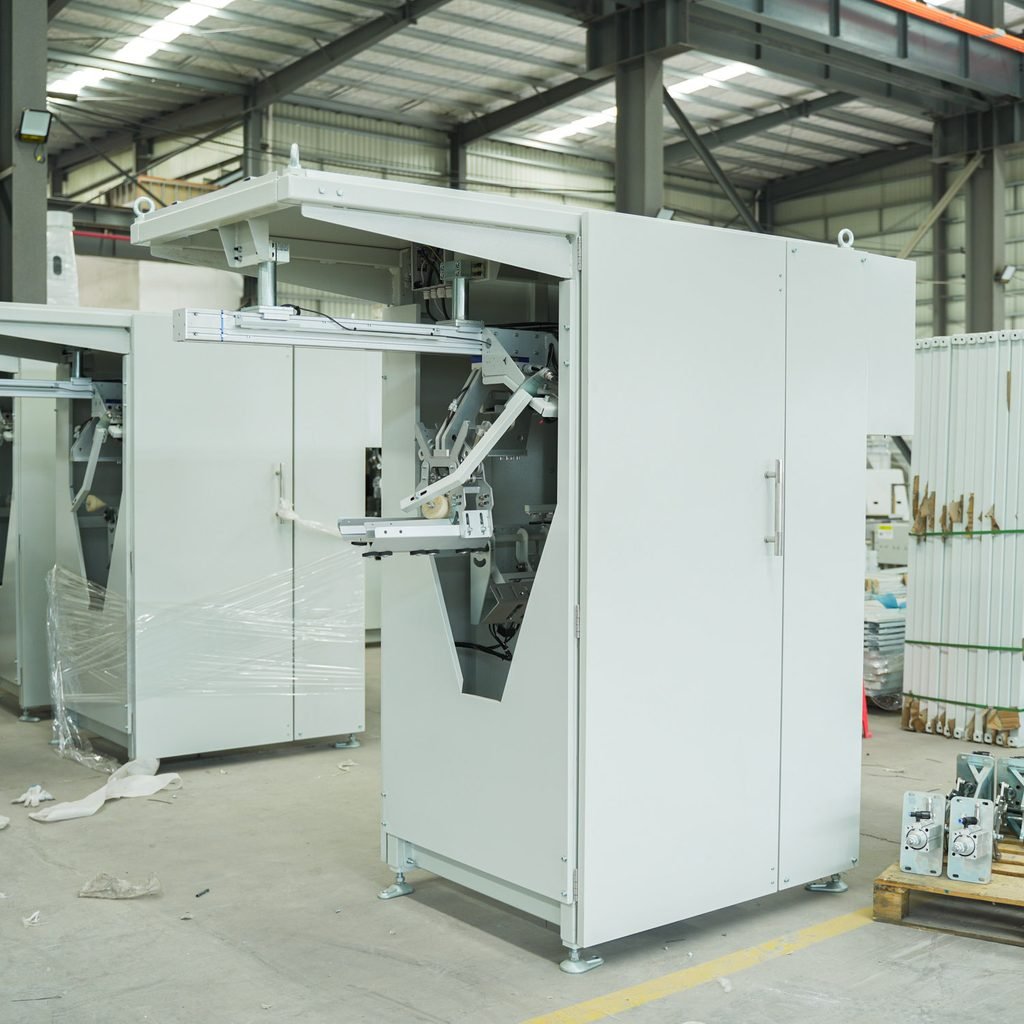
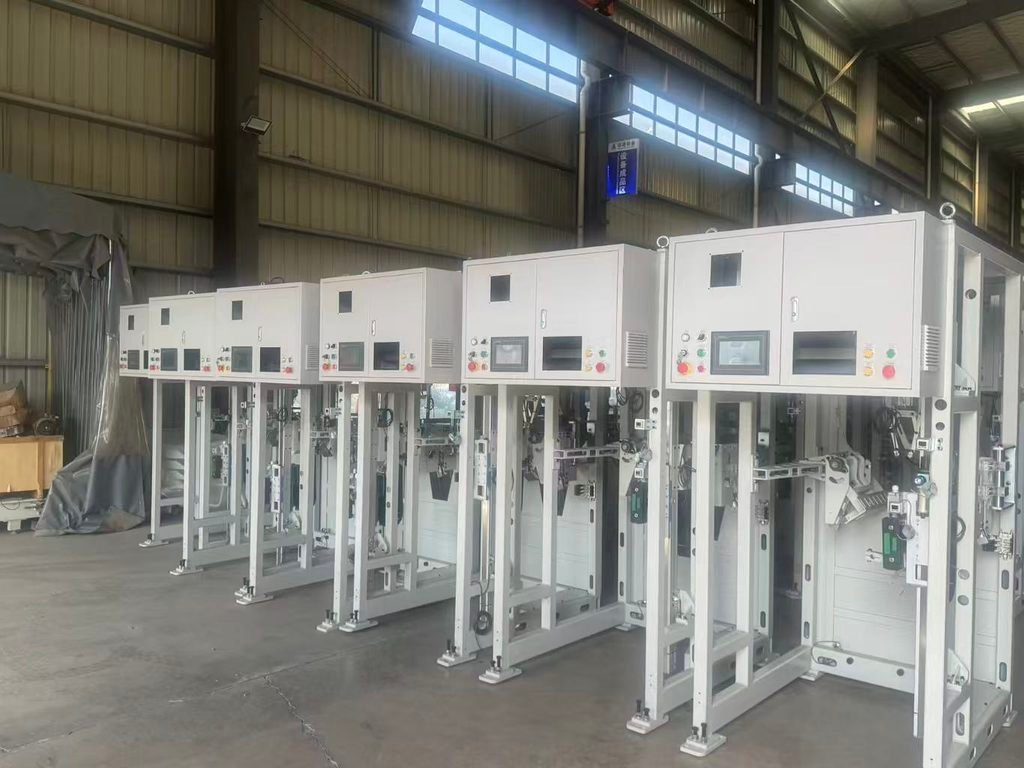
This automatic bagging machine is a rear-end packaging equipment specially designed for dry-mix mortar production lines. It is suitable for automatic bag sleeving, discharging and sealing of dry mortar, tile adhesive, anti-crack mortar, self-leveling mortar, grout and other powder materials. The machine can be connected with storage silos and weighing packers to realize automatic feeding, weighing, bag clamping and discharging. When matched with a sewing machine or heat sealer, it forms a complete packaging line. It is compatible with valve bags and open-mouth bags. Optimized for the pain points of mortar industry such as dust emission, bridging and material sticking, it runs stably and can be integrated into fully automatic mortar production lines to realize continuous output from production to packaging. It is the core automatic packaging equipment for dry-mix mortar plants.
Core Advantages
✅ Mortar-powder dedicated structure, dust & sticking prevention Sealed bag-clamping structure with negative-pressure dust removal interface to greatly reduce powder overflow. Material contact parts are treated for anti-sticking, effectively avoiding material buildup, and adapting to poorly flowable and moisture-absorbing mortar powder.
✅ Compatible with both valve bags and open-mouth bags, multi-purpose Switchable for different bag types as required. Valve-bag mode requires no extra sewing; open-mouth bags work with sewing machines to meet diverse packaging demands for various mortar products.
✅ Linked with production lines for automatic operation Interlocked with quantitative weighing packers, material level sensors, belt conveyors and sewing machines. It automatically clamps bags and sends feedback signals, releasing filled bags once weighing completes. No manual bag holding needed to cut labor intensity and support continuous pipeline production.
✅ Variable frequency speed regulation, stable feeding & reliable weighing precision Adopts variable-frequency control with two-stage feeding (coarse & fine feeding), which reduces material impact and segregation, stabilizes bag weight, minimizes overweight/underweight errors and meets the weighing requirements of building materials packaging.
✅ Easy maintenance & durable construction Bag-clamping cylinders and sealing nozzles are quick to disassemble and replace. The heavy-duty frame is optimized for powder abrasion. Quick-opening access ports facilitate residue cleaning and avoid cross-contamination during formula switching.
✅ Flexible installation options Vertical floor-mounted as standard. Optional supports, dust collectors and material return devices. Small footprint, suitable for new mortar lines and packaging station upgrading of existing production lines.
Specification Parameters
| Model | Working Mode | Packing Weight Range | Packing Speed | Working Air Pressure | Installed Power | Applicable Bag Type |
|---|---|---|---|---|---|---|
| SD-20 | Auto bag clamping & discharging | 20–50 kg/bag | 3–6 bags/min | 0.5–0.7 MPa | Approx. 3.5 kW | Valve bag / Open-mouth bag |
| SD-30 | Auto bag clamping & discharging | 20–50 kg/bag | 5–8 bags/min | 0.5–0.7 MPa | Approx. 4.5 kW | Valve bag / Open-mouth bag |
| SD-50 | Auto bag clamping & discharging | 20–50 kg/bag | 7–12 bags/min | 0.5–0.7 MPa | Approx. 5.5 kW | Valve bag / Open-mouth bag |
Operation Notes
- Stable air supply required: Dry and clean compressed air is mandatory. Water or oil in air will damage cylinders and solenoid valves. Drain filters regularly and keep air pressure within rated range. Insufficient pressure causes loose clamping and powder leakage.
- Pre-start inspection: Check sealing gaskets and bag-clamping pads for damage; clean caked mortar at the discharge nozzle; inspect load cells and wiring; start dust removal system in advance.
- No wet lumps or impurities: Damp and agglomerated mortar causes blockage. Iron scraps, stones and hard impurities scratch seals and damage weighing sensors. Install screening and impurity removal equipment upstream.
- Full cleaning before formula switch: Empty hoppers and pipelines completely when switching among ordinary mortar, thermal insulation mortar and tile adhesive to avoid mixed materials and defective finished products.
- Periodic inspection of wearing parts: Bag-clamping pads, sealing rings, flexible dust hoses, solenoid valves and load cells are consumables. Replace them regularly. Protect sensors from impact and water.
- Dust removal runs synchronously: Start dust collector before the bagging machine; shut down the bagger first when stopping to prevent excessive dust emission.
- Power & air cut-off before service: Cut power supply and air source and release residual pressure before cleaning or maintenance. Do not reach into clamping and discharging zones during operation to prevent clamping injury.
- Dry working environment: Avoid high humidity in workshop. Empty internal powder if the machine will be idle for a long time to prevent moisture absorption and solidification.
Application Scenarios
- Matching dry-mix mortar lines: Masonry mortar, plaster mortar, floor screed mortar
- Special mortar production: Tile adhesive, grout, anti-crack mortar, self-leveling mortar, waterproof powder
- Powder building material plants, ready-mix mortar factories and thermal insulation material manufacturers
- Cooperate with full-set dry-mix mortar equipment, connecting silos, weighing stations, conveyors, sewing machines and palletizing lines
- Retrofit old mortar production lines to replace traditional labor-intensive packaging stations and reduce manpower cost
FAQ
Q1: What is the packing capacity and speed?
A: Standard range: 20–50 kg per bag (common specifications: 25 kg, 40 kg, 50 kg). The speed depends on powder flowability and bag loading speed by operators, ranging from 3 to 12 bags per minute. Higher speed is available for free-flowing materials like tile adhesive.
Q2: Can it work with both valve bags and open-mouth bags?
A: Yes. Valve bags sleeve directly onto the nozzle and seal automatically when filled. Open-mouth bags are transported to the sewing station after filling. One machine supports both types by simple adjustment.
Q3: How to solve heavy dust during packing?
A: The machine reserves a standard dust interface for bag dust collectors. The sealed bag-clamping design minimizes gaps for powder escape. Equipped with negative-pressure dust removal, it can meet environmental compliance requirements.
Q4: What causes frequent blockage?
A: Main reasons include damp and caked material, small nozzle diameter, over-fast feeding speed, insufficient negative pressure leading to powder accumulation. Blockage can be reduced by optimizing nozzle size, adjusting coarse/fine feeding parameters and adding screening to remove lumps upstream.
Q5: Can this machine connect with your complete mortar production line?
A: Yes. We configure the machine according to line capacity, silo layout and palletizing scheme. The silo discharging, weighing, bagging, conveying and sewing systems are electrically interlocked for integrated delivery.
Q6: What about warranty and spare parts?
A: One-year warranty for the main unit (excluding consumables such as clamping pads, seals, solenoid valves and load cells). Consumable spare parts are kept in stock for fast delivery. Remote commissioning guidance and on-site service are available.
Q7: Can you customize it for limited workshop space?
A: Customization is supported. We adjust stand height and discharge direction according to site height and layout. Straight or side discharge versions are available to fit compact workstations.