
Product Introduction
This bucket elevator is specially designed as vertical continuous conveying equipment for complete dry mortar production lines. It is suitable for dry powder and granular raw materials such as cement, quartz sand, fly ash, heavy calcium powder and rubber powder. Driven by chains or belts, buckets complete material scooping, lifting and discharging to feed raw materials from the ground to storage silos or the feeding port above mixers.
With an enclosed structure and small footprint, it can be matched with batching, mixing and packaging systems for full production lines. It operates reliably and serves as the core feeding equipment for dry mortar plants. Three types are available: circular chain, plate chain and belt type, which can be customized according to material properties, output and lifting height.
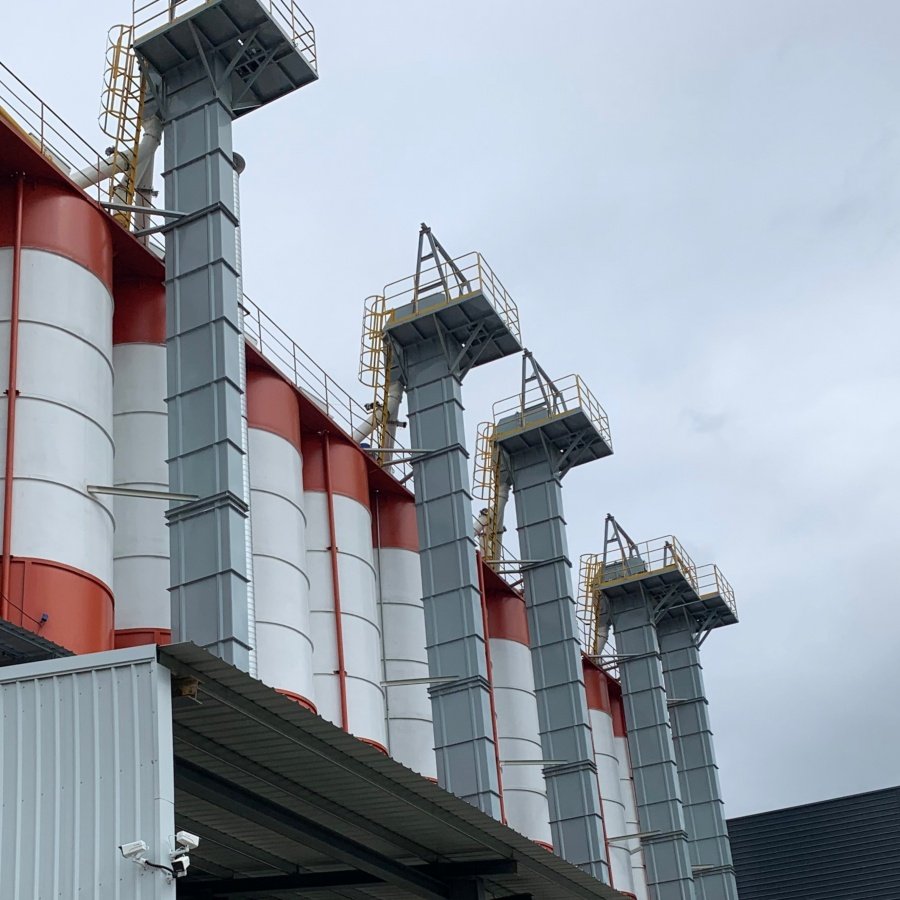
Core Highlights
- Fully Enclosed Dustproof Structure The sealed housing is equipped with reserved dust removal ports to effectively suppress dust emission, improve the workshop environment and meet environmental protection requirements for dry mortar production.
- Wear-resistant Design for Mortar Materials Buckets are made of wear-resistant steel plate or polymer material. Worn-prone parts are reinforced to resist scouring from hard granular materials like quartz sand for longer service life.
- Variable Frequency Speed Regulation for Line Linkage Equipped with variable frequency drive for adjustable conveying capacity. It supports interconnection with batching systems and mixers for automatic control to match the production capacity of the whole line.
- Compact Structure & Small Occupied Area Vertical lifting layout saves horizontal space, ideal for small, medium and tower-type dry mortar production lines.
- Multiple Safety Protections Fitted with protection devices for belt/chain deviation, material blockage, speed loss and anti-reversal. It alarms and stops automatically in case of jamming or overload to avoid equipment damage.
- Easy Maintenance Access doors and observation windows are reserved. Chains and buckets are easy to disassemble and assemble. Lubrication points are centralized for convenient daily inspection and maintenance.
Specification Parameters (Standard Model, Customizable)
| Item | Parameters |
|---|---|
| Model | TH Circular Chain / NE Plate Chain / TD Belt Bucket Elevator |
| Conveyed Materials | Dry mortar raw materials, cement, sand, fly ash, mineral powder and other powder & granular materials |
| Conveying Capacity | 5~60 m³/h |
| Lifting Height | 3~35 m (customized on request) |
| Material Temperature | ≤80℃ |
| Bucket Type | Deep bucket / Shallow bucket (deep bucket recommended for dry powder) |
| Driving Mode | Motor + Reducer, VFD optional |
| Housing Material | Q235 Carbon Steel (stainless steel available) |
| Discharge Mode | Centrifugal / Combined Discharge |
| Protection Accessories | Blockage switch, speed monitor, backstop, access door, dust removal interface |
Note: NE plate chain type is preferred for high output and highly abrasive materials; TD belt type is suitable for light fine powder to avoid material crushing.
Precautions for Operation
- Uniform Feeding, No Overloading This equipment has limited overload resistance. A constant feeder is required. Massive instantaneous feeding is forbidden to prevent blockage at the bottom, bucket jamming or chain breakage.
- No Large Hard Foreign Objects Hard impurities such as stones, rebars and iron blocks will tear buckets or stall chains. Iron removal and screening devices shall be installed at the feeding inlet.
- Start with Empty Load Confirm no residual materials inside before startup. Start the machine first and begin feeding after stable operation. Stop feeding before shutdown and empty all internal materials before stopping. Never stop with loaded materials for a long time.
- Regular Inspection & Lubrication Check the tightness of chains, buckets and bolts periodically. Grease sprockets and bearings on schedule. Replace deformed buckets and loose connecting parts timely.
- Control Material Moisture Wet or severely caked materials tend to stick to buckets and cause bottom blockage and compaction, which are not suitable for this elevator. Caked materials shall be crushed in advance.
- Safety Protection Do not open access doors during operation. Safety guards and alarm systems shall not be removed without permission. Cut off power and hang warning tags before maintenance.
- Dust Collection Connect dust removal pipelines for dry powder working conditions to reduce dust accumulation, lower explosion risks and slow down abrasive wear of components.
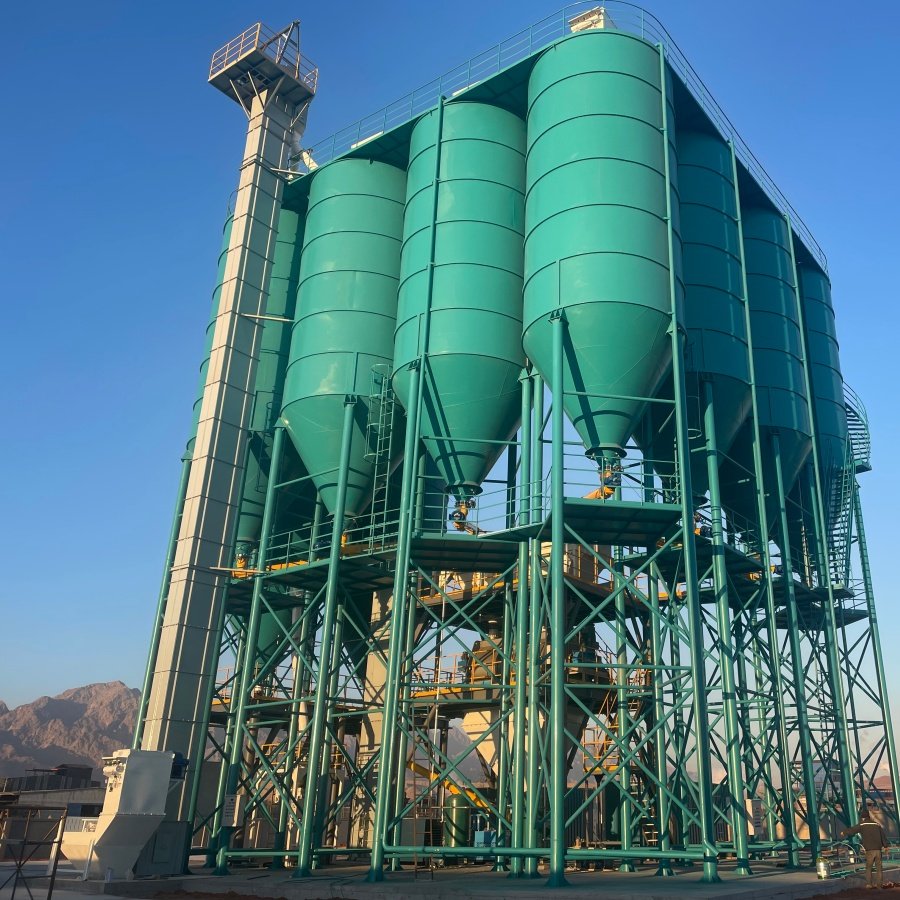
Application Scenarios
- Dry mortar production lines: feeding for putty powder, tile adhesive, self-leveling mortar and waterproof mortar
- Building material powder batching lines: vertical conveying of cement, fly ash, limestone powder and quartz sand
- Tower-type and station-type complete dry mortar plants for feeding to batching silos and mixing silos
- Matched with screening machines, silos and screw conveyors to realize continuous automatic powder feeding
- Conveying of gypsum powder, slag powder and other powdery or small granular building materials
FAQ
Q1: Which type shall I choose for dry mortar lines, circular chain, plate chain or belt bucket elevator?
A: NE plate chain is preferred for high quartz sand content, heavy abrasion and large output. TH circular chain is suitable for ordinary powder with moderate budget. TD belt type is selected for fragile light fine powder to avoid crushing.
Q2: Why does the bucket elevator frequently get blocked?
A: Common causes include uneven feeding, damp & caked materials, large foreign objects, residual material buildup and mismatched lifting speed. It is recommended to install constant feeders and magnetic separators and control material moisture content.
Q3: Can it convey wet mortar or wet sand?
A: Not recommended. Wet materials easily adhere to buckets and form hardened deposits at the bottom, leading to continuous jamming. Other conveying solutions are recommended for wet materials.
Q4: Is the lifting height customizable?
A: Yes. The standard range is up to 35 m. Higher lifting requires reinforced traction parts, additional intermediate supports and maintenance platforms.
Q5: Can the equipment be automatically linked with the whole mortar production line?
A: Yes. The VFD version reserves signal interfaces to connect PLC systems for interlocking with batching scales, mixers and level switches to realize automatic start-stop, speed adjustment and alarm.
Q6: How often should routine maintenance be carried out?
A: Under normal dry powder working conditions: check abnormal noise and material leakage every shift; lubricate bearings and sprockets weekly; fully inspect chains and buckets monthly; conduct in-depth disassembly and overhaul every six months.